
Timeless

book club

This offer is valid only in September.

00DAYS
00HOURS
00MINUTES
00SECONDS

Timeless

book club

This offer is valid only in September.

00DAYS
00HOURS
00MINUTES
00SECONDS

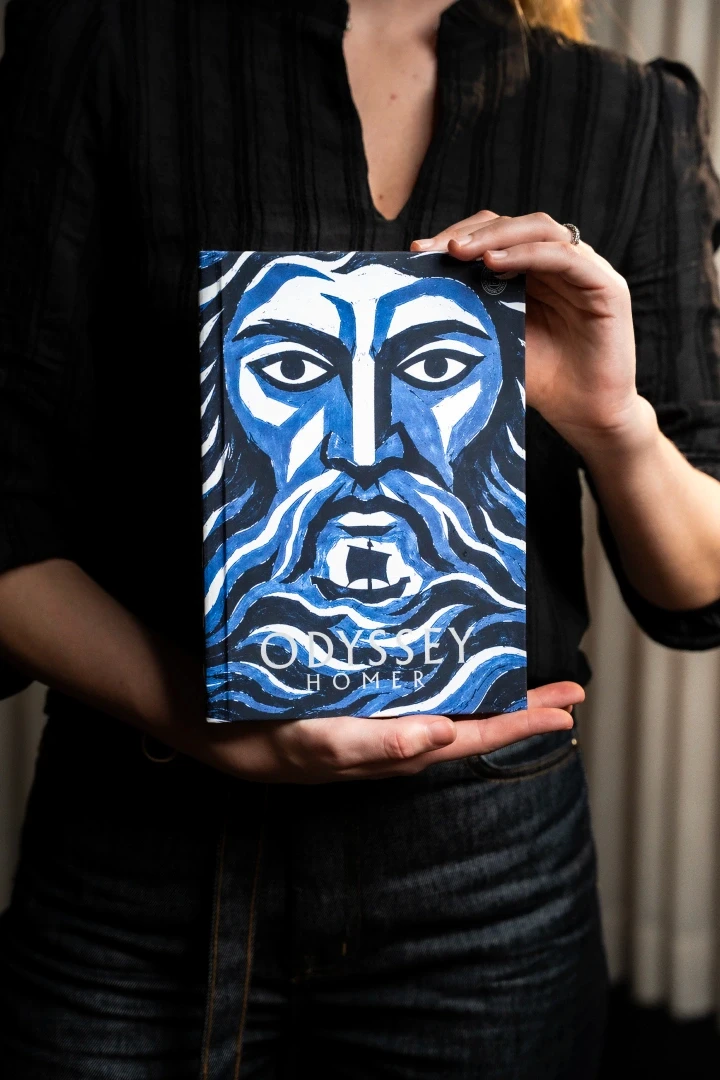
The

The

Odyssey

Odyssey

homer

The story of a man trying to find his way home. Nearly three thousand years later. Still impossible to put down.

The

Odyssey

homer

The story of a man trying to find his way home. Nearly three thousand years later. Still impossible to put down.

The Edition

Built to last as long as the story inside it.

Built to last as long as the story inside it.

This is not a copy to read once and leave on a shelf. Every detail of this edition was considered for the reader who intends to keep it.

This is not a copy to read once and leave on a shelf. Every detail of this edition was considered for the reader who intends to keep it.

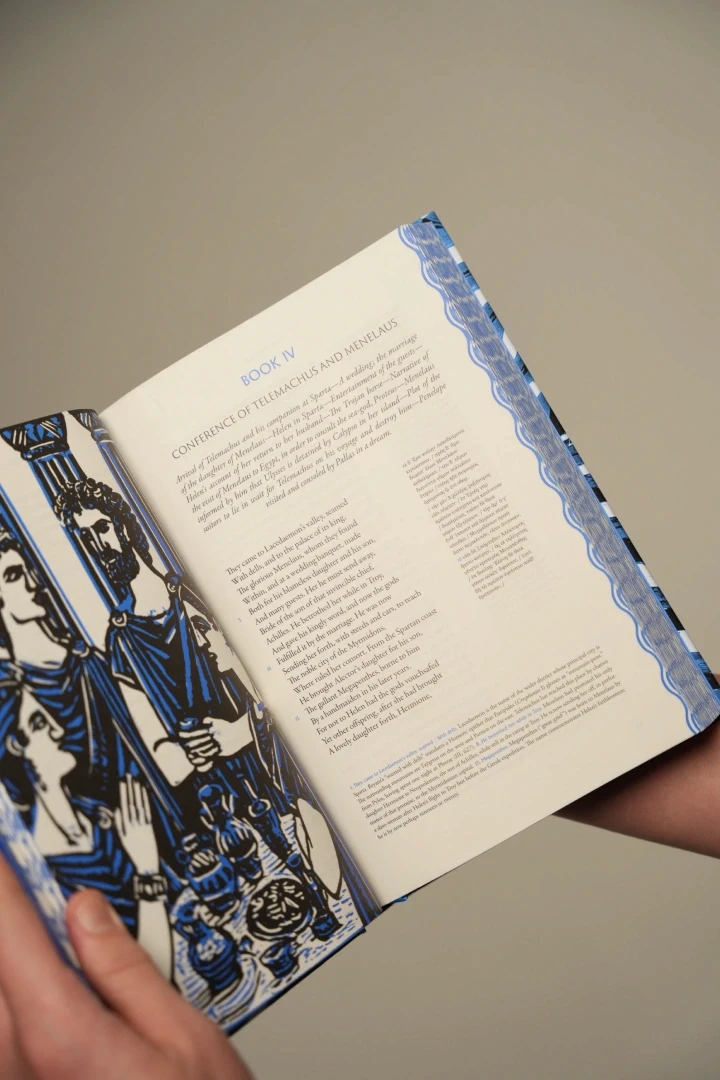
Bilingual edition

Bryant's English translation appears on the right-hand page; the ancient Greek faces it on the left. The line numbering follows Bryant's verse, marked at intervals of five in the margin. The two texts are meant to be read alongside each other.

Editorial apparatus

Notes drawn from four sources, reorganized by book and line. Philological and explanatory commentary from the Clarendon Press editions of Merry, Riddell, and Monro, with supplementary notes from Buckley's Bohn Library edition. Alongside these run the allegorical readings of Alexander Ross.

Editorial note

An original editorial note introduces William Cullen Bryant’s translation, completed in 1871—the first sustained American verse rendering of the Odyssey. Already the dean of American letters, Bryant undertook the work at seventy-six, as a final act of fidelity to a poet he had read his entire life.

Glossary of names

A guide to the characters of the poem—heroes, gods, and mortals—each with its Greek form, transliteration, and a concise description

Hardcover binding

Durable, premium hardcover with a ribbon marker, designed for a lifetime on your shelf. Includes an additional thematic bookmark.

The Long Return

A booklet tracing the theme of wandering and homecoming across twelve centuries of English-language poetry, from the Anglo-Saxon elegies to Tennyson, Yeats, Dickinson, and Stevenson, with original editorial introductions and critical commentary.
The Story
The war was over. The hero survived. All that remained was getting home.

The war was over. The hero survived. All that remained was getting home.

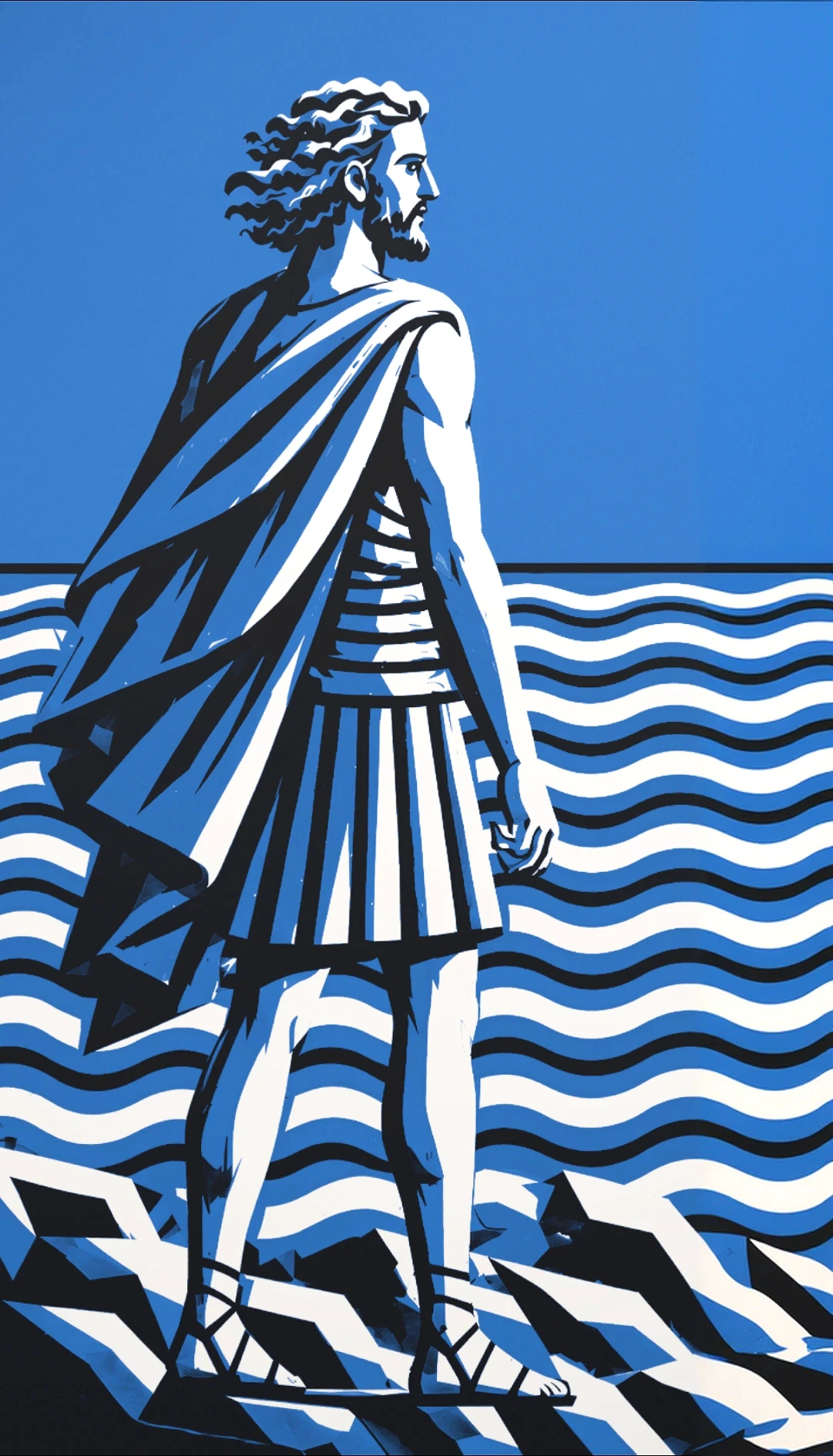
Odysseus has fought for ten years at Troy. He won. Now he only wants to return to Ithaca, to his wife, to his son, to the life that was waiting for him. The journey takes another ten years.

Odysseus has fought for ten years at Troy. He won. Now he only wants to return to Ithaca, to his wife, to his son, to the life that was waiting for him. The journey takes another ten years.

Along the way, he crosses seas controlled by gods who resent his survival. He passes through a land where the dead still have things to say. He resists two different women who offer him a life far easier than the one he is trying to return to. He passes a shore whose fruit makes men forget home, and he listens to voices no sailor is meant to survive.

Along the way, he crosses seas controlled by gods who resent his survival. He passes through a land where the dead still have things to say. He resists two different women who offer him a life far easier than the one he is trying to return to. He passes a shore whose fruit makes men forget home, and he listens to voices no sailor is meant to survive.

What Homer built into this poem is a story about the particular kind of stubbornness required to remain faithful to who you are when everything around you is giving you a reason to become someone else.

What Homer built into this poem is a story about the particular kind of stubbornness required to remain faithful to who you are when everything around you is giving you a reason to become someone else.

That is why The Odyssey has never stopped being read.

That is why The Odyssey has never stopped being read.

The Author

Homer: The Poet the World Couldn't Name

Homer: The Poet the World Couldn't Name

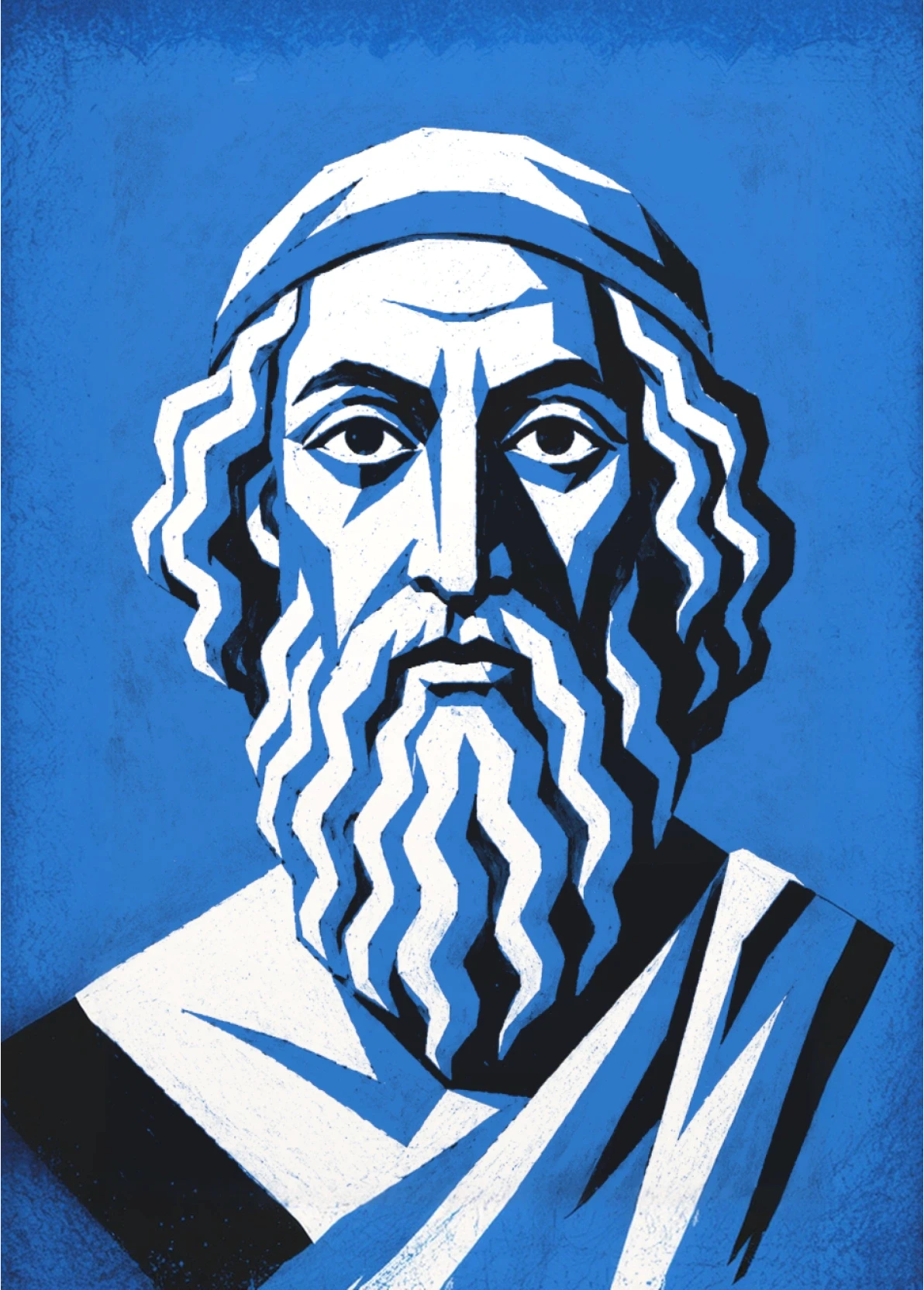
Homer is the name given to the poet behind "The Iliad" and "The Odyssey." Nothing is known with certainty about his life. The ancient Greeks imagined him a blind wandering bard in Ionia, on the coast of Asia Minor, working somewhere around the 8th century BC. Seven cities disputed the honor of his birthplace — Smyrna and Chios among the most cited — which is its own kind of testament to how early he passed from biography into legend.

Homer is the name given to the poet behind "The Iliad" and "The Odyssey." Nothing is known with certainty about his life. The ancient Greeks imagined him a blind wandering bard in Ionia, on the coast of Asia Minor, working somewhere around the 8th century BC. Seven cities disputed the honor of his birthplace — Smyrna and Chios among the most cited — which is its own kind of testament to how early he passed from biography into legend.

Whether he was a single poet or the final crystallization of a tradition passed down across generations is a question scholars have been debating since antiquity. What is certain is what the poems accomplished. They formed the basis of Greek education, gave the epic form its shape, and supplied Virgil, Dante, and Milton with the model against which they measured their own ambitions.

Whether he was a single poet or the final crystallization of a tradition passed down across generations is a question scholars have been debating since antiquity. What is certain is what the poems accomplished. They formed the basis of Greek education, gave the epic form its shape, and supplied Virgil, Dante, and Milton with the model against which they measured their own ambitions.

The tradition that made Homer blind may itself come from within the poem. In Book VIII of "The Odyssey," the court bard Demodocus — beloved of the Muse, gifted with song, blind — has been read since antiquity as Homer's own portrait of his craft.

The tradition that made Homer blind may itself come from within the poem. In Book VIII of "The Odyssey," the court bard Demodocus — beloved of the Muse, gifted with song, blind — has been read since antiquity as Homer's own portrait of his craft.

To read Homer is to read the beginning of a conversation that has not stopped.

To read Homer is to read the beginning of a conversation that has not stopped.

Timeless Book Club

A new classic finds its way to your door every month.

A new classic finds its way to your door every month.

01

Sign Up

Choose the plan that fits you best, monthly or annual.

02

How shipping works

Odyssey's shipping will begin on the 15th of the next month. From that date on, delivery dates may vary according to your region.

03

Monthly shipping

Next titles will be revealed monthly. All boxes are dispatched during the month following the release cycle.

FAQ

FAQ

Frequently Asked Questions

Frequently Asked Questions

What is Timeless Book Club?

What is Timeless Book Club?

When will my first book ship?

When will my first book ship?

When will I receive the next books in the Club?

When will I receive the next books in the Club?

Is shipping available everywhere in the U.S.?

Is shipping available everywhere in the U.S.?

How does the subscription work?

How does the subscription work?

How does it work to receive 'The Last of the Mohicans' as a free gift?

How does it work to receive 'The Last of the Mohicans' as a free gift?

How Timeless chooses the monthly books?

How Timeless chooses the monthly books?

What is your returns and damages policy?

What is your returns and damages policy?

Can I cancel my subscription?

Can I cancel my subscription?

Do you ship across the United States?

Do you ship across the United States?

How can I contact support?

How can I contact support?